When Is It Time to Replace or Upgrade Your Pulmonary Function Testing Equipment?
Pulmonary function testing (PFT) equipment plays a critical role in diagnosing, monitoring, and managing respiratory conditions. Whether you're operating a hospital pulmonary lab, physician practice, occupational health clinic, or respiratory care department, reliable testing equipment is essential for accurate patient results and efficient workflows.
But how do you know when it's time to replace aging equipment—or when a repair may no longer be the most cost-effective solution?
In this guide, we'll explore common signs that your pulmonary function testing equipment may be due for an upgrade and how modern systems can improve efficiency, accuracy, and patient care.
Signs Your Pulmonary Function Testing Equipment May Need an Upgrade
1. Frequent Repairs and Service Calls
If your spirometer or PFT system requires repeated repairs, replacement parts, or unexpected service visits, maintenance costs can quickly add up. While many systems can remain reliable for years with proper service, there often comes a point where downtime and repair expenses begin to outweigh the benefits of keeping older equipment in operation.
Frequent calibration issues, sensor failures, software problems, or aging components may indicate it's time to consider a replacement.
2. Outdated Software and Limited Connectivity
Modern pulmonary function testing systems offer significantly more functionality than older devices.
Newer equipment often includes:
- EMR and EHR integration
- Automated quality control prompts
- Advanced reporting tools
- Cloud-based data storage options
- Improved workflow efficiency
- Enhanced patient record management
If your current system requires manual data entry or struggles to integrate with your existing workflow, upgrading can save valuable time and reduce the risk of documentation errors.
3. Difficulty Meeting Current Testing Standards
Organizations such as the American Thoracic Society (ATS) continue to refine guidelines for pulmonary function testing.
Modern spirometry systems often include built-in quality assurance features that help clinicians perform tests according to current ATS recommendations. These tools can improve test consistency, patient coaching, and overall confidence in reported results.
4. Increased Downtime Affecting Patient Care
Equipment downtime can disrupt schedules, delay patient testing, and create unnecessary frustration for staff.
If your facility regularly experiences interruptions due to aging equipment, replacing your system may ultimately improve productivity and patient satisfaction while reducing unexpected service calls.
5. Limited Testing Capabilities
Many older spirometry systems were designed primarily for basic lung function screening.
Today's pulmonary diagnostic equipment often supports:
- Spirometry (FVC, SVC, MVV)
- Bronchodilator response testing
- Bronchial challenge testing
- Diffusion testing (DLCO)
- Lung volume testing
- Full pulmonary function testing
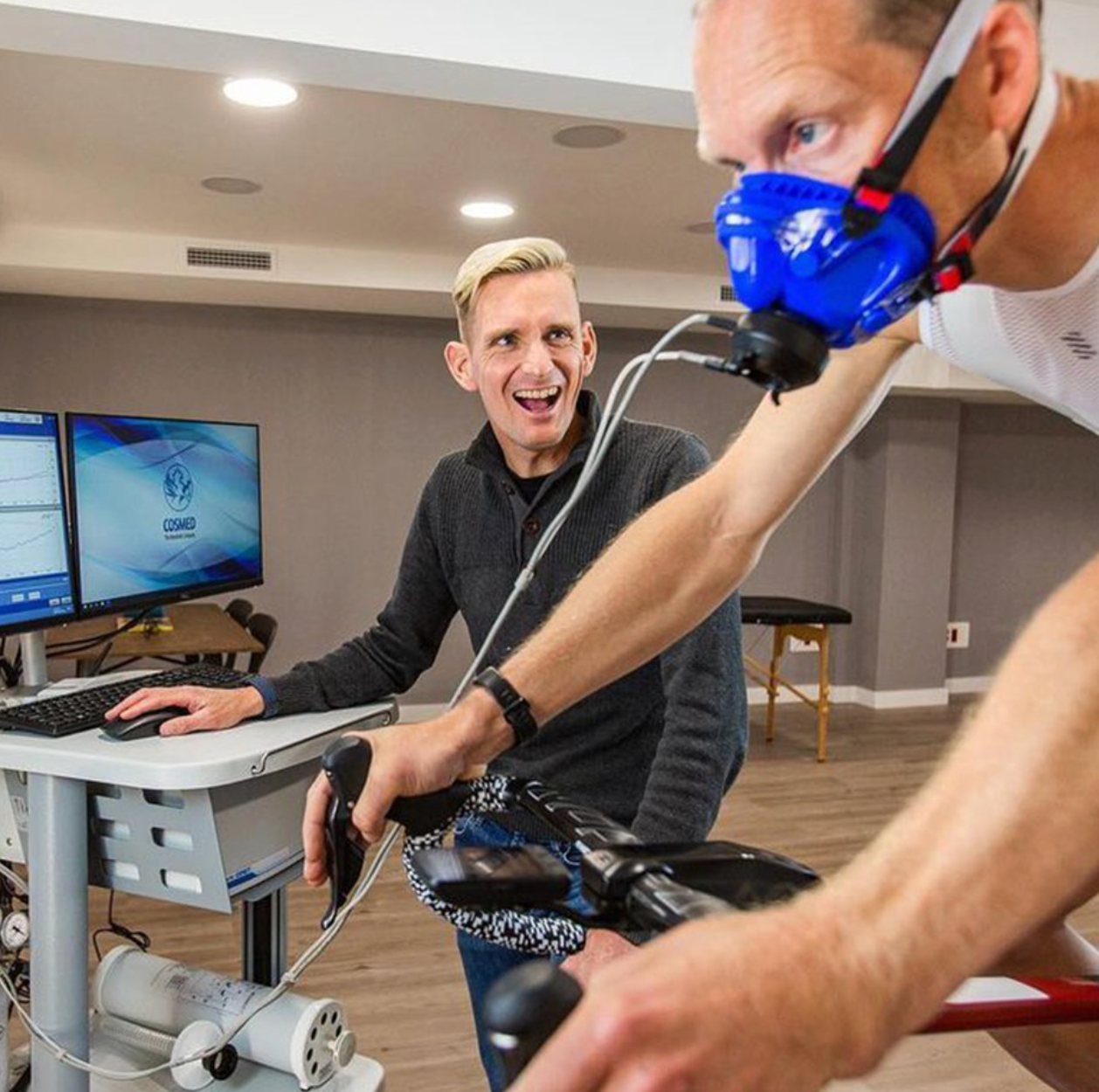
- Exercise and respiratory assessment protocols
Upgrading may allow your facility to expand services without adding additional systems.
Repair vs. Replacement: Which Option Is Right?
Not every equipment issue requires replacement. In many cases, professional service and repair can restore performance and extend the life of valuable pulmonary testing equipment.
Factors to consider include:
- Age of the equipment
- Availability of replacement parts
- Repair costs versus replacement costs
- Software compatibility
- Future testing needs
- Frequency of service calls
Working with an experienced respiratory equipment service provider can help determine the most practical and cost-effective solution for your facility.
Modern Pulmonary Function Testing Solutions
Susquehanna Micro provides sales, service, calibration, and support for a wide range of pulmonary diagnostic equipment from industry-leading manufacturers.
Depending on your clinical needs, popular solutions include:
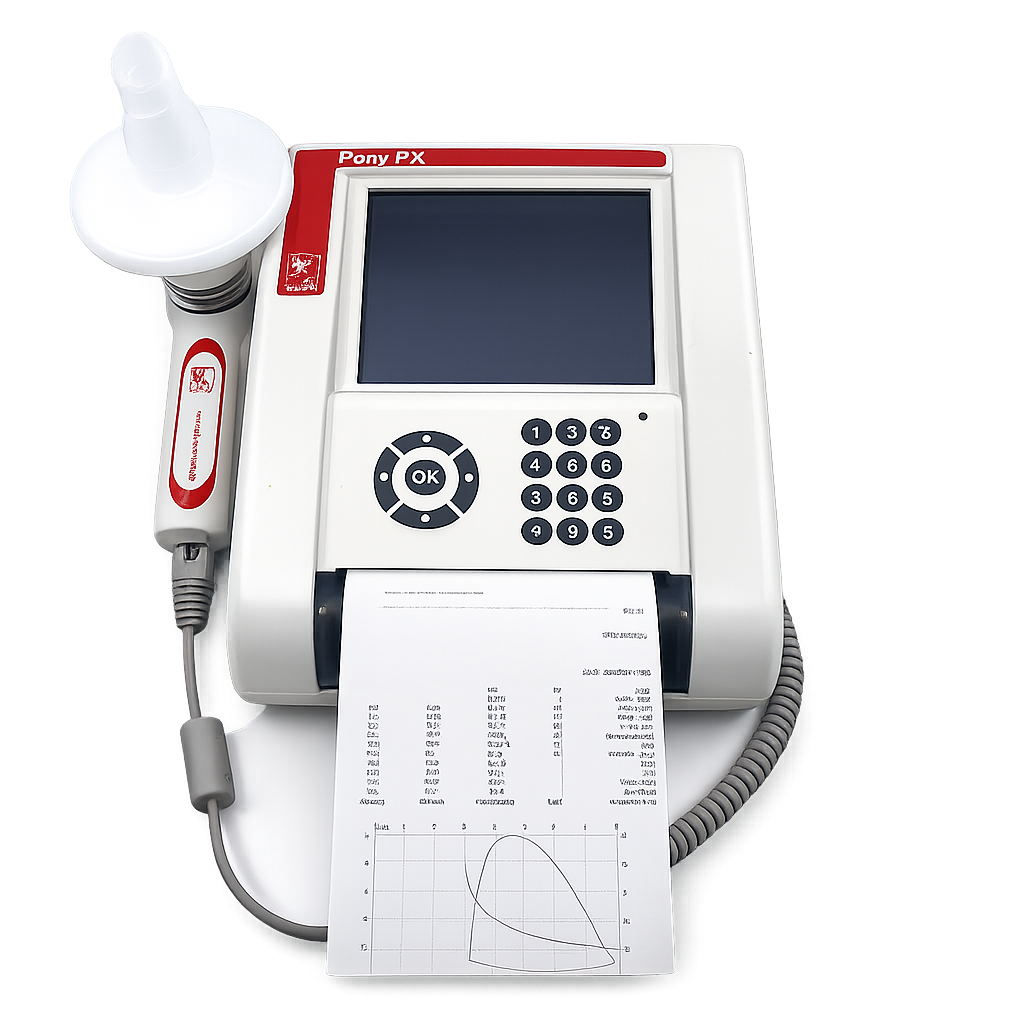
COSMED Pony FX
A compact desktop spirometry system ideal for lung function screening, occupational health testing, and physician offices requiring portability and simplicity.
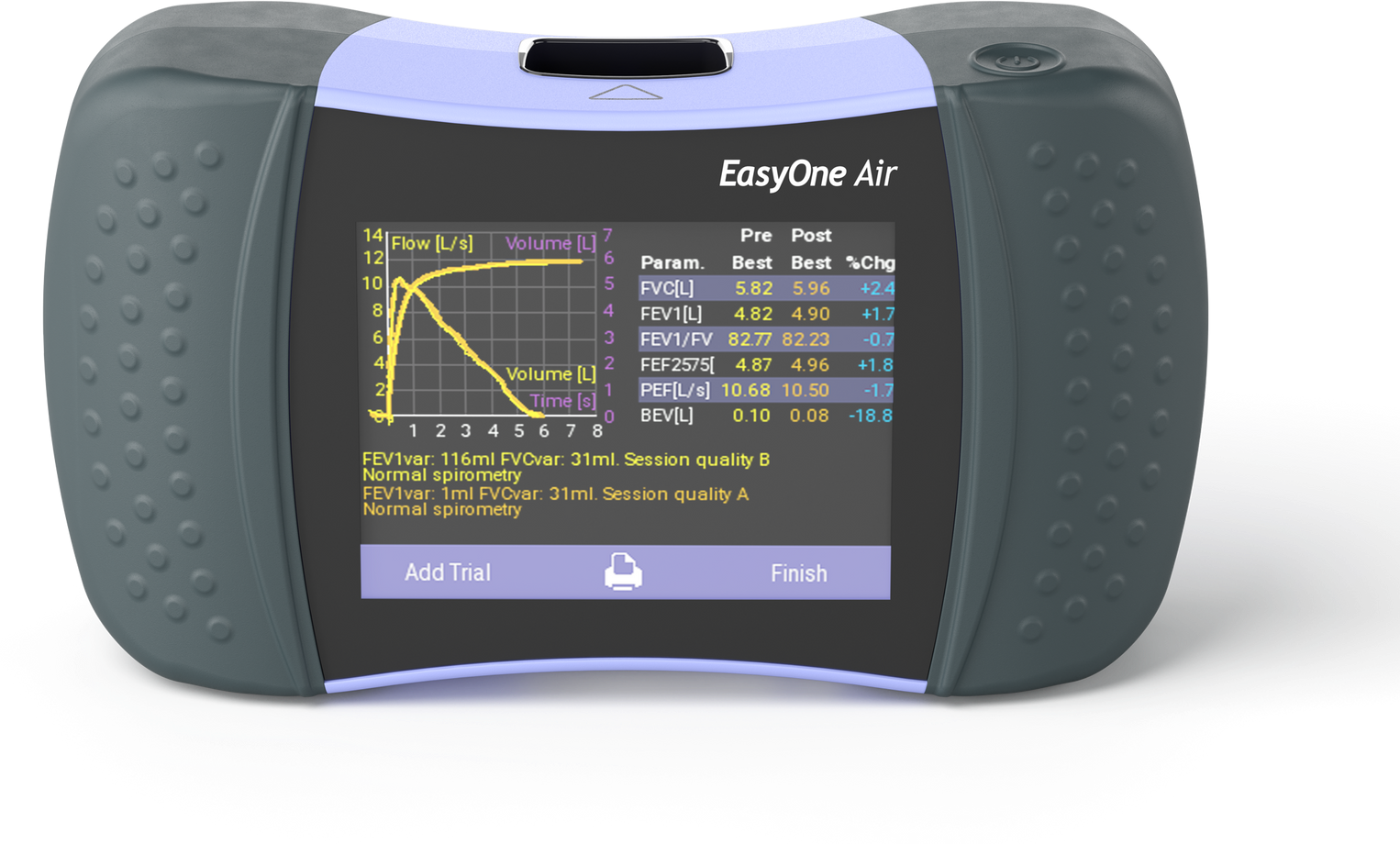
NDD EasyOne Air
A portable spirometer designed for efficient testing in physician offices, clinics, and mobile healthcare environments.
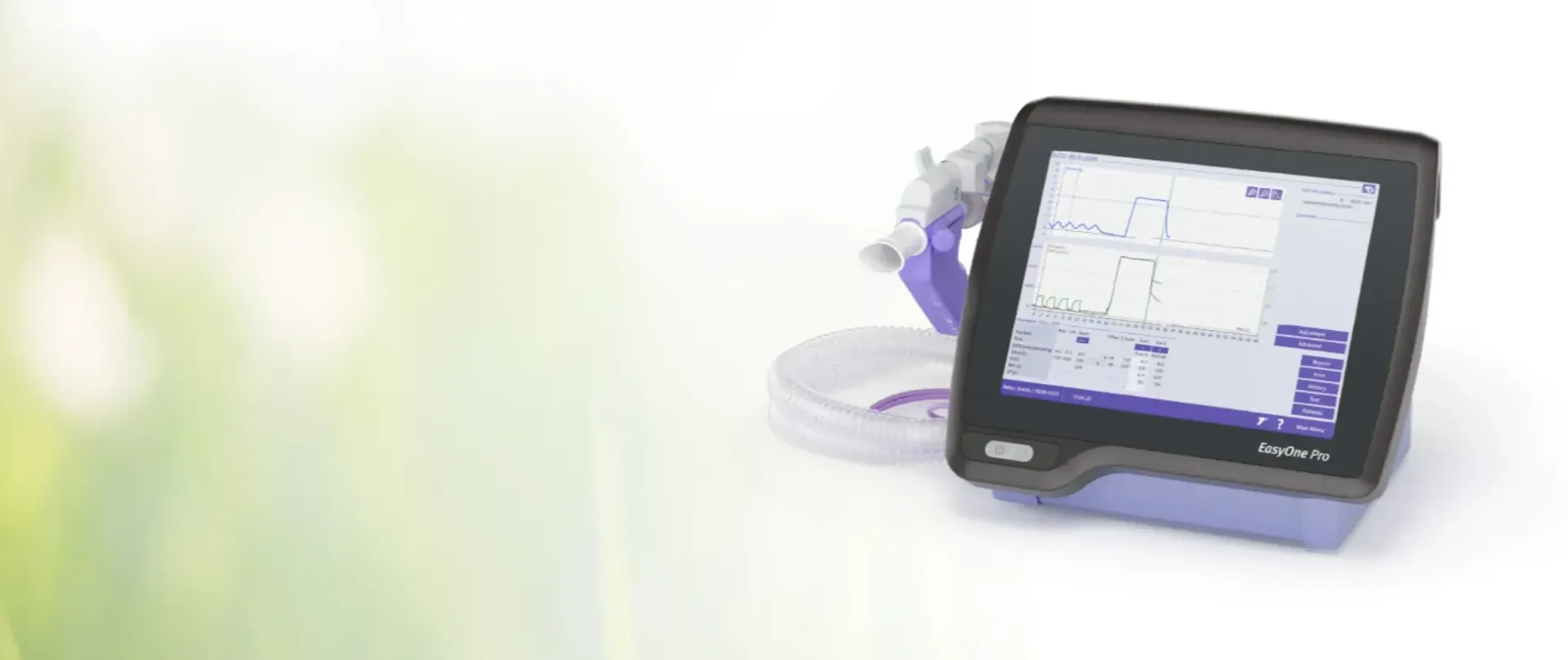
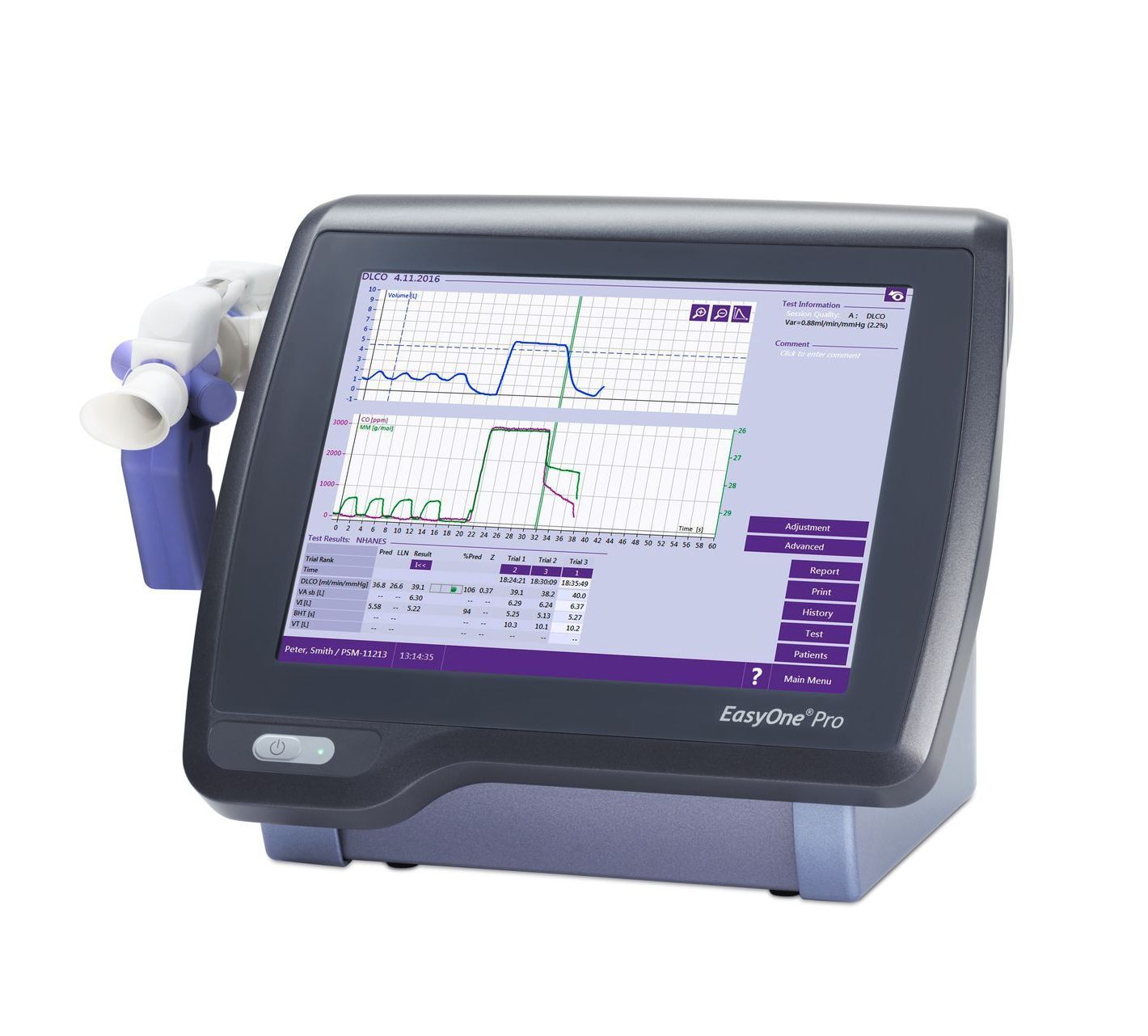
NDD EasyOne Pro LAB
A comprehensive pulmonary function testing system offering advanced spirometry, DLCO, and additional testing capabilities for pulmonary laboratories and specialty practices.
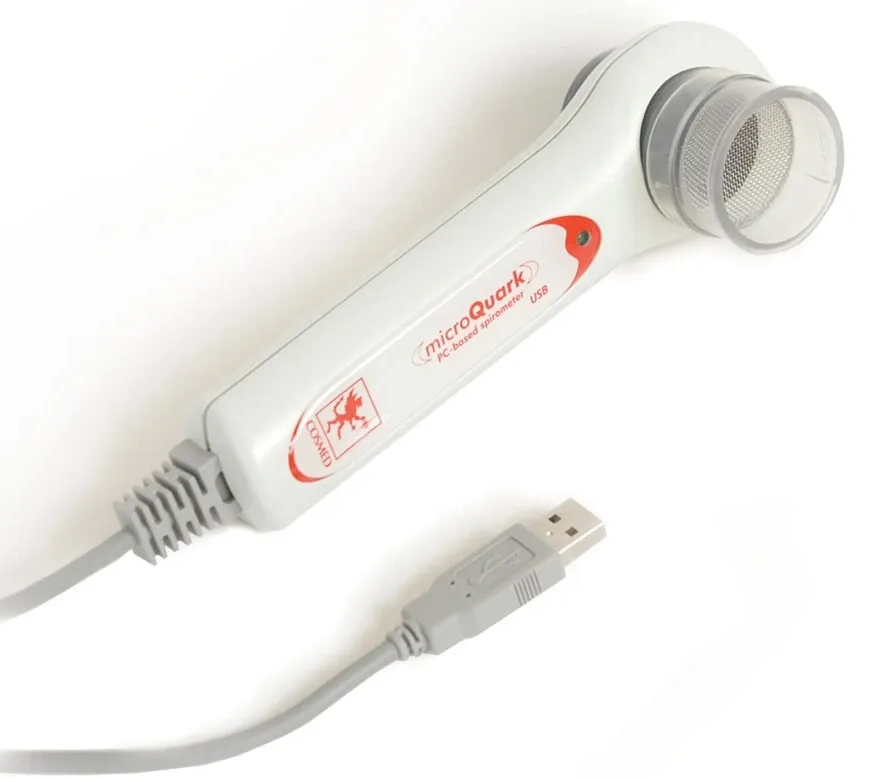
COSMED microQuark
A versatile PC-based spirometry solution that combines flexibility with advanced respiratory testing features.
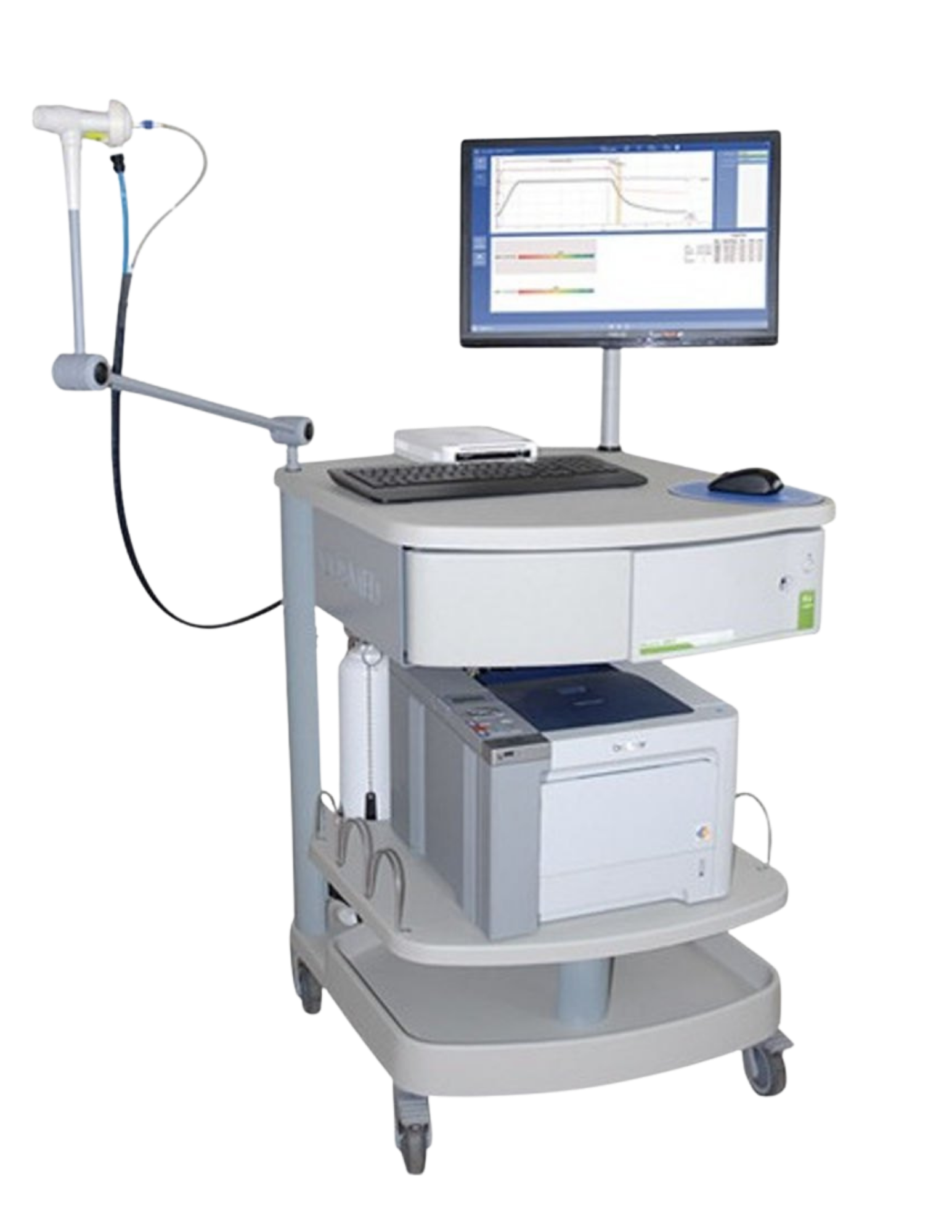
COSMED Quark PFT
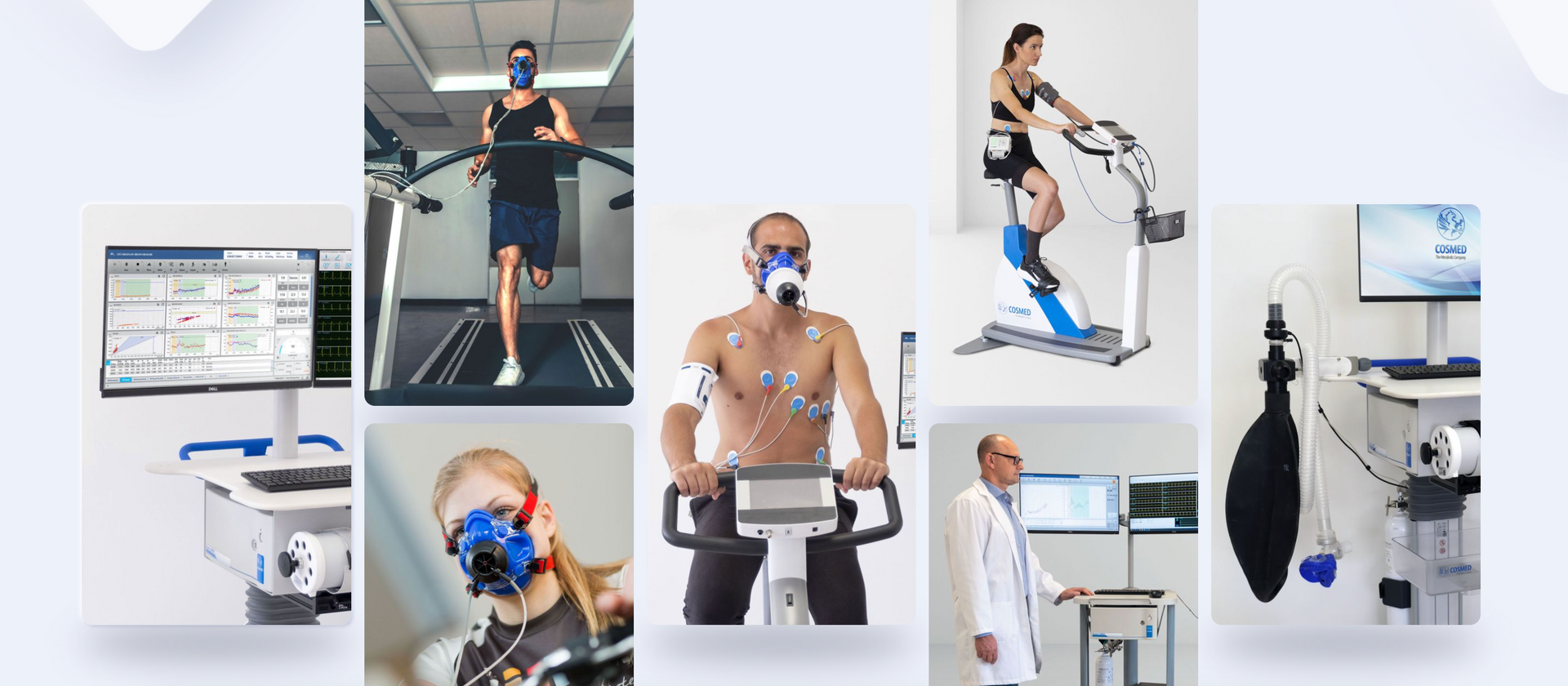
A complete pulmonary function laboratory system designed for facilities requiring comprehensive respiratory diagnostics and advanced pulmonary assessment capabilities.

The Importance of Preventive Maintenance
Whether you choose to maintain your current equipment or invest in a new system, regular preventive maintenance remains essential.
Routine service helps:
- Maintain testing accuracy
- Reduce unexpected downtime
- Extend equipment lifespan
- Ensure regulatory compliance
- Protect your investment
A proactive maintenance program can often identify small issues before they become costly repairs.
Partner with Susquehanna Micro
For decades, Susquehanna Micro has provided pulmonary function testing equipment sales, service, calibration, and technical support to healthcare providers throughout North America.
Whether you're evaluating a replacement, considering an upgrade, or looking to extend the life of your current equipment, our experienced team can help you identify the best solution for your facility's needs.
Contact Susquehanna Micro today to learn more about our pulmonary diagnostic equipment, repair services, and preventive maintenance programs.
Share this post
Previous Articles