Troubleshooting and Repairing Monsoon III and LSP Autovent Ventilators
Ever wondered how a tiny malfunction in a ventilator could potentially compromise an entire treatment plan? Understanding these nuances is essential, and this article is here to guide you through the process.
In today's fast-paced medical landscape, high frequency jet ventilators like the Monsoon III and LSP Autovent models are indispensable tools for healthcare professionals. These machines, revered for their precision and efficiency, play a crucial role in patient care—especially in critical settings. However, even the most sophisticated machines can face operational hiccups, making troubleshooting and repair skills vital for respiratory therapists and biomedical engineers. In this guide, we’ll walk you through the intricacies of maintaining and repairing these complex devices, ensuring optimal performance and patient safety.
Ever wondered how a tiny malfunction in a ventilator could potentially compromise an entire treatment plan? Understanding these nuances is essential, and this article is here to guide you through the process.
Key Takeaways
- Grasping the principles and components of jet ventilators is crucial for effective troubleshooting
- Recognizing error codes and understanding their implications helps in swift diagnosis
- Regular maintenance and precise repair techniques prevent mechanical and electrical failures
- Essential diagnostic tools and safety gear are pivotal for successful repairs
- Comprehensive step-by-step guides ensure thorough servicing of Monsoon III and LSP Autovent ventilators
Understanding High Frequency Jet Ventilators
High frequency jet ventilators are not your average medical devices. They operate on unique principles that set them apart from traditional ventilators, offering specialized care for patients with compromised respiratory systems.
Principles of High Frequency Jet Ventilation
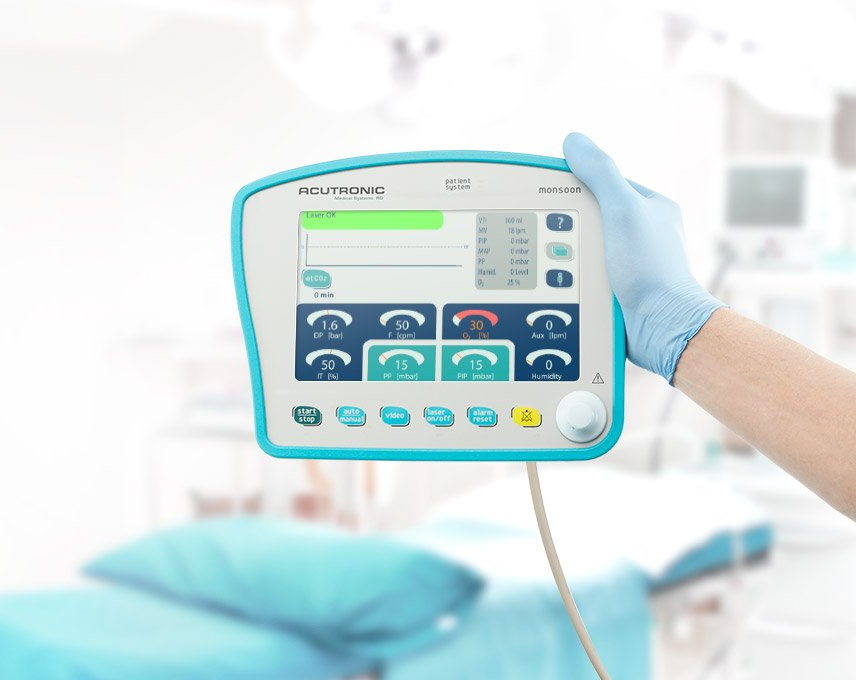
High frequency jet ventilation (HFJV) utilizes rapid, small bursts of gas to ventilate patients. This method is particularly effective in minimizing lung injury, as it uses lower tidal volumes and pressures compared to conventional ventilation. The Monsoon III Jet Ventilator, for instance, exemplifies these principles by delivering precise control settings, crucial for optimal ventilation and patient safety. Understanding the physics of gas flow is key here—it's not just about supplying air but ensuring it's delivered efficiently and safely.
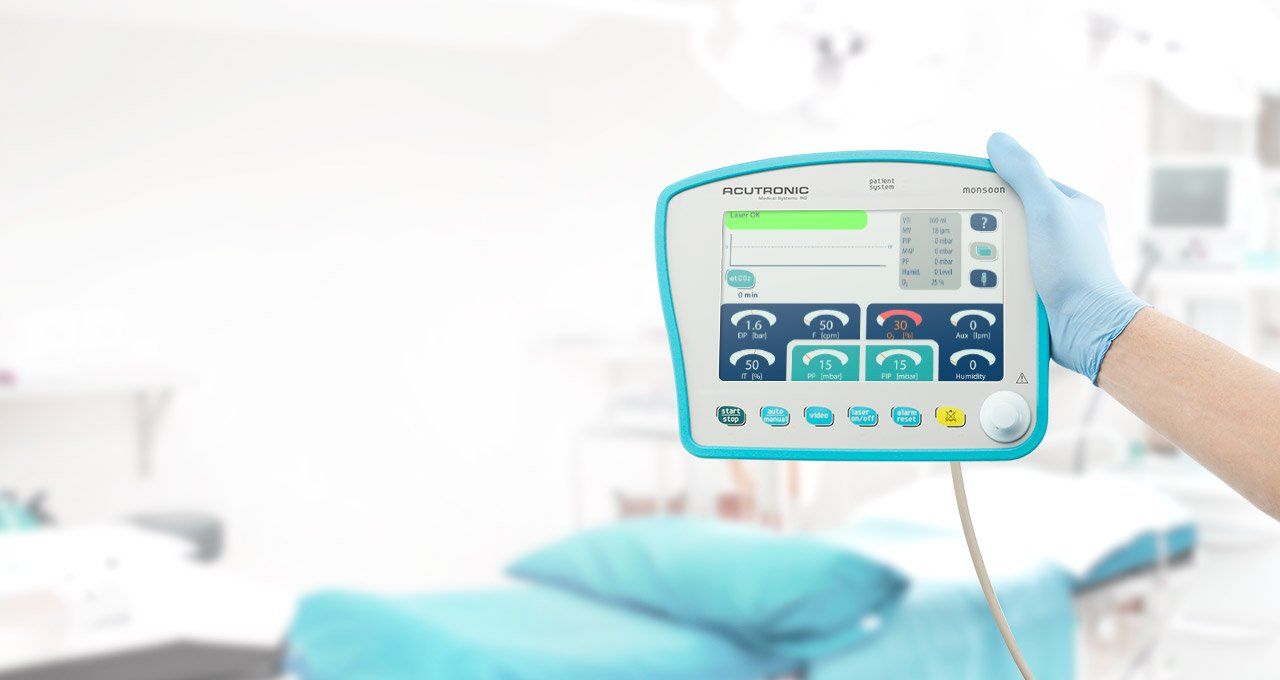
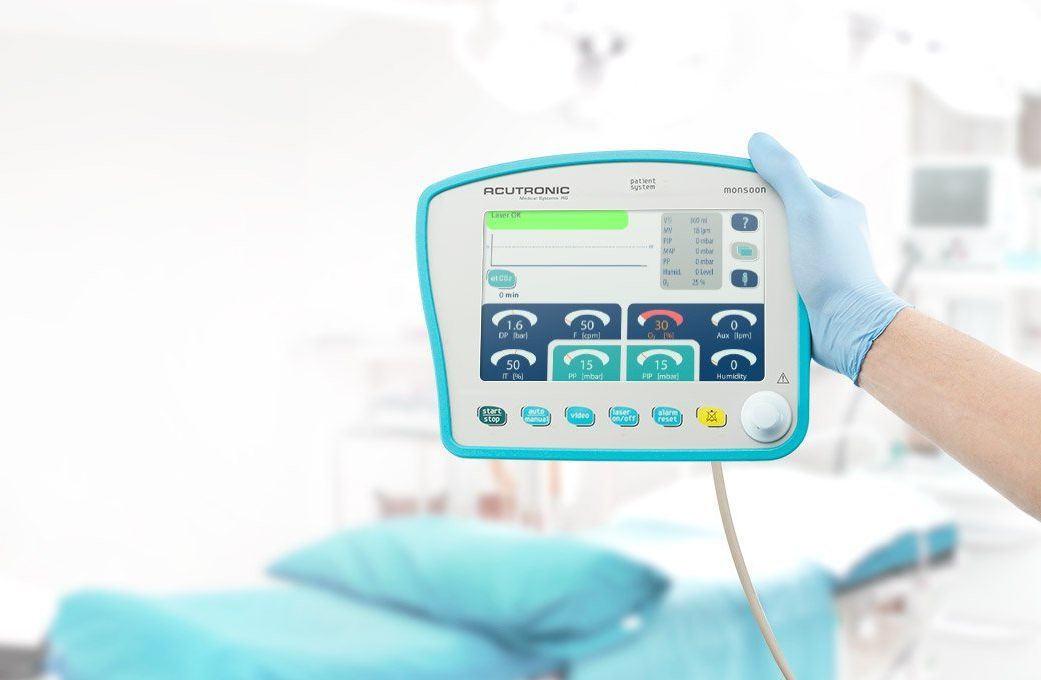
Medical professionals rely heavily on the precision that these ventilators offer. The Acutronic Jet Ventilator is designed to provide just that, allowing for meticulous adjustment of parameters that directly influence patient outcomes. Technical support from manufacturers like Susquehanna Micro, the only North American dealer for Acutronic Jet Ventilators, is invaluable in maintaining these machines. They offer a complete line of products and accessories like tubing and display cables, ensuring that the Monsoon III Jet Ventilator operates seamlessly.
Key Components of Jet Ventilators
Understanding the anatomy of these machines is instrumental in troubleshooting and repair. At the core of any jet ventilator is the control unit, which manages all functions and settings. This is the brain of the operation, ensuring that every aspect of ventilation is tailored to the patient's needs. The Acutronic Monsoon and LSP Autovent models are equipped with specialized oscillators that generate high-frequency oscillations, a feature that distinguishes them from other ventilator types.
Another critical component is the humidification system. Proper moisture levels in delivered gases are essential to prevent patient discomfort and potential airway complications. Monitoring systems within these ventilators track patient parameters and performance, providing real-time data that is crucial for medical decisions. Major manufacturers like Sechrist Industries and Bennett have incorporated advanced monitoring solutions to enhance patient care and device reliability.
Benefits and Applications in Medical Settings
The applications of high frequency jet ventilators are extensive, with a significant impact in neonatal and pediatric care. These devices are often the first line of defense for patients with fragile lungs, providing superior outcomes by accommodating the delicate respiratory needs of infants. The Acutronic Monsoon III Jet is frequently used in such critical scenarios, where rapid adjustments are necessary to tailor treatment precisely.
Specialists also rely on these ventilators during complex surgical procedures, where traditional ventilation may not suffice. The ability to make quick and precise adjustments means that patient care is never compromised. With years of experience in preventive maintenance and handling devices like the Bennett LP10, healthcare providers can trust these systems to deliver consistent and reliable performance.
Learn more about the Monsoon III Jet Ventilator >>
Learn more about the LSP Autovent 2000 >>
Learn more about the LSP Autovent 3000 >>
Learn more about the LSP Autovent 4000 >>
Common Issues in Monsoon III Ventilators
While high frequency jet ventilators are advanced, they're not immune to issues. Understanding common problems and how to address them is crucial for maintaining their functionality.
- Common Error Codes and Their Meanings
Error codes are an integral part of the Monsoon III Jet Ventilator's diagnostic system. Each code provides insights into specific malfunctions, whether they are technical or operational. For instance, a particular code might indicate a sensor issue, while another could point to a misalignment in the control unit. Familiarity with these codes enables technicians to diagnose and repair issues swiftly, minimizing downtime and ensuring patient safety.
Staying updated with the latest error codes is essential. Regular training sessions and updates from manufacturers like Acutronic Monsoon ensure that service teams are equipped with the knowledge needed to handle any new codes that may arise. Susquehanna Micro offers robust repair services, providing peace of mind to healthcare facilities relying on these machines.
- Troubleshooting Electrical Malfunctions
Electrical issues in ventilators often originate from power supply or wiring problems. Regular inspections of connections can prevent intermittent faults, which are common culprits in device failures. Technical manuals are invaluable resources for diagnosing complex electronic problems, offering step-by-step guidance on troubleshooting these issues.
Prompt attention to electrical alerts is crucial; ignoring them can lead to further damage. As a service provider, Susquehanna Micro emphasizes the importance of maintenance and technical support in preventing such issues. Their team is always ready to assist with any electrical malfunctions, ensuring the ventilation system functions optimally. - Addressing Mechanical Failures
Mechanical failures are another common issue, often resulting from wear and tear of moving parts. Regular maintenance schedules play a critical role in mitigating the risks of mechanical breakdowns. Unusual sounds coming from the ventilator can be an early warning sign of mechanical issues. These sounds should never be ignored, as they can indicate serious problems.
Proper lubrication of components is a simple yet effective preventive measure. It reduces mechanical friction and wear, prolonging the lifespan of parts. For the Monsoon III Jet Ventilator, using manufacturer-recommended lubricants is vital for maintaining performance standards. With Susquehanna Micro's years of experience and expertise, healthcare facilities can trust them for reliable ventilator repair and preventive maintenance services.
ACUTRONIC MONSOON III JET VENTILATOR SERVICE & REPAIRS >>
Identifying Problems in LSP Autovent Ventilators
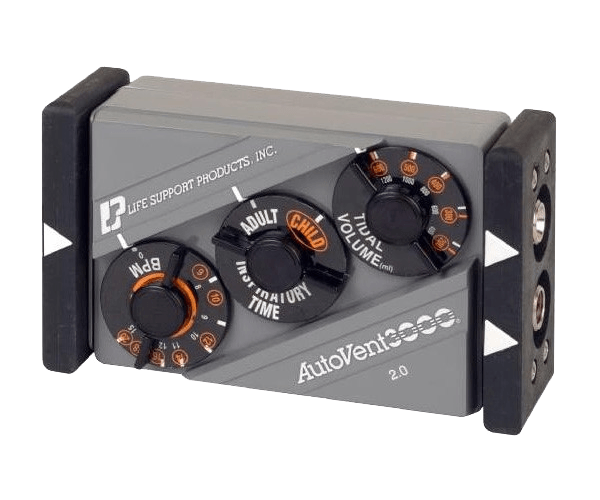
The LSP Autovent series, including models 2000, 3000, and 4000, are renowned for their reliability. However, they too can encounter issues that need prompt attention.
Diagnosing Alarm Issues
- Alarm systems in ventilators are critical for alerting users to deviations from set parameters. However, frequent false alarms can be a nuisance, often indicating sensor or calibration problems. Technicians should routinely verify alarm settings against patient needs to ensure accuracy.
- Regular alarm tests are essential to maintain functionality and reliability. By working closely with service providers like Susquehanna Micro, facilities can access the technical support needed to resolve these issues efficiently, ensuring that the ventilator's alarm system performs its role effectively.
Analyzing Pressure and Flow Problems
- Pressure discrepancies in the ventilation system are often caused by leaks or blockages, which can significantly impact patient ventilation efficiency. Flow irregularities need to be addressed swiftly to maintain patient safety. Accurate measurement tools are indispensable for diagnosing these issues, allowing technicians to pinpoint the source of the problem.
- Prompt resolution of pressure and flow issues is vital. Major manufacturers emphasize the importance of regular maintenance and repair services to keep these systems running smoothly. With Acutronic Monsoon III Jet ventilators, healthcare professionals can rely on a system designed to handle such challenges effectively.
Resolving Display and Interface Errors
- Display malfunctions can obscure critical information, while interface issues may hinder user interaction with the ventilator. These problems can be temporary, often resolved by rebooting the system. However, persistent errors may require technical intervention.
- For the Monsoon and LP10 ventilators, timely technical support is crucial in addressing display and interface errors. By partnering with experienced service teams, healthcare providers can ensure their devices remain in top working condition, ready to meet the demands of patient care.
LSP AUTOVENT 2000 SERVICE & REPAIRS >>
LSP AUTOVENT 3000 SERVICE & REPAIRS >>
LSP AUTOVENT 4000 SERVICE & REPAIRS >>
Essential Tools for Ventilator Repair and Maintenance
Repairing and maintaining ventilators requires a well-equipped toolkit. Having the right tools at your disposal can make all the difference in diagnosing and resolving issues efficiently.


Recommended Diagnostic Equipment
Diagnostic tools are the backbone of any successful repair. Oscilloscopes are particularly useful for monitoring electronic signals and frequencies, providing insights into the ventilator's operation. Multimeters are another essential tool, offering precise measurements of voltage, current, and resistance.
Software tools also play a crucial role, assisting technicians in evaluating system performance and updates. Acutronic and other manufacturers provide comprehensive technical support, ensuring that repair teams have access to the latest diagnostic technologies.
Necessary Mechanical Tools
Mechanical tools are just as important in the repair process. Specialized wrenches facilitate the disassembly of components, while screwdrivers with various heads are necessary for different screw types. Calipers provide the precision needed for component alignment, and torque wrenches ensure proper assembly of mechanical parts.
For LSP Autovent ventilators, having a reliable set of mechanical tools is crucial for effective ventilator repair. By working with trusted service providers, technicians can access the tools and resources needed for successful maintenance and repair.
Safety Gear and Precautions
Safety is paramount when repairing medical equipment. Safety goggles protect the eyes from debris and chemical exposure, while gloves prevent contamination and protect hands during repairs. Proper ventilation is crucial when working with volatile substances, ensuring a safe working environment.
Adhering to safety protocols is essential to minimize the risks of injury or accidents. With preventive maintenance and support from experienced service teams, healthcare facilities can maintain a safe and efficient repair process.
Step-by-Step Guide to Servicing Monsoon III Ventilators
Servicing the Monsoon III Ventilator involves a series of detailed steps. A systematic approach ensures that each component is thoroughly checked and maintained.
Initial Assessment and Diagnosis
The first step in servicing any ventilator is a comprehensive assessment. This involves identifying existing and potential issues, documenting initial conditions and settings, and performing diagnostic tests to confirm the functionality of each component. Accurate diagnosis is crucial, as it guides subsequent repair actions.
Susquehanna Micro, a leading service provider, emphasizes the importance of thorough assessments in maintaining the Acutronic Monsoon III Jet Ventilator. Their expertise in maintenance and repair ensures that healthcare facilities can rely on them for effective service.
Disassembly and Component Inspection
Careful disassembly prevents damage to sensitive parts. During this process, technicians inspect each component for signs of wear, damage, or malfunction. Cleaning components to remove debris and residue is also essential, ensuring that the ventilator operates at peak performance.
Documentation is a critical part of this process, providing a reference for accurate reassembly post-repair. With support from Susquehanna Micro's experienced service team, technicians can perform these tasks with confidence, knowing they have access to the best resources and expertise in the field.
Cleaning and Part Replacement Procedures
Cleaning protocols are vital for maintaining the integrity and performance of ventilator components. Replacement parts must meet manufacturer specifications for compatibility, ensuring seamless integration into the system. Technicians should verify the functionality of replaced components to confirm that the repair has been successful.
Proper disposal of defective parts is necessary to prevent environmental hazards. By following best practices and leveraging the technical support offered by Susquehanna Micro, healthcare facilities can maintain a high standard of ventilation system care.
Troubleshooting Techniques for LSP Autovent Models
Understanding and addressing issues in LSP Autovent models is crucial for maintaining their functionality.
Reassembly and Testing
Reassembly requires attention to detail, ensuring that each component is properly aligned and secured. Testing the ventilator post-reassembly is essential to confirm that repairs have restored full device functionality. Calibration ensures that the ventilator operates within safe parameters, providing reliable patient care.
Documentation of the service process aids in future maintenance, offering a clear record of the actions taken and their outcomes. By partnering with experienced service providers like Susquehanna Micro, healthcare facilities can ensure that their ventilation system is always ready to meet the demands of patient care.
In conclusion, maintaining and repairing Monsoon III and LSP Autovent ventilators is a complex but rewarding task. By understanding the principles of high frequency jet ventilation, recognizing common issues, and utilizing the right tools and techniques, healthcare professionals can ensure these vital machines continue to operate at their best. So, what's your strategy for keeping your ventilators in top-notch condition? Contact our high frequency jet ventilator sales and service team today >>
Frequently Asked Questions
What should I do if my Monsoon III ventilator displays an error code?
If your Monsoon III ventilator shows an error code, first refer to the user manual to identify the code's meaning. Next, follow the suggested troubleshooting steps, such as checking power connections or resetting the device. If the issue persists, contact customer support for further assistance or our professional repair service team here at Susquehanna Micro. We're happy to help.
How can I ensure my LSP Autovent ventilator is functioning properly?
To ensure optimal performance, regularly inspect your LSP Autovent ventilator. Check for any visible wear or damage, ensure all connections are secure, and regularly clean filters and components according to the manufacturer's instructions. Keeping a maintenance log can help track routine checks and identify potential issues early.
What are common issues faced with Monsoon III ventilators?
Common issues with Monsoon III ventilators include power supply problems, sensor malfunctions, and software glitches. Regular maintenance and timely firmware updates can help prevent many of these issues. If problems arise, consulting the troubleshooting section of the manual or seeking professional help is advisable.
How do I perform a reset on an LSP Autovent ventilator?
To reset an LSP Autovent ventilator, turn off the power and disconnect it from the power source. Wait for about a minute before reconnecting and powering it back on. Refer to the user manual for specific instructions, as procedures can vary slightly between models.
When should I seek professional repair for my ventilator?
If basic troubleshooting steps do not resolve the issue, it's time to seek professional repair. Persistent error codes, unusual noises, or performance inconsistencies are signs that expert intervention is required. Regular servicing by professionals can also prevent major issues and extend the device's lifespan.
Share this post
Previous Articles