What Is Metabolic Testing? A Guide to RMR, REE, VO₂ Max & CPET
Breaking down RMR, REE, BMR, VO₂, VO₂ Max, indirect calorimetry, CPET and more.
Metabolic testing provides valuable insight into how the body uses energy and oxygen, helping healthcare providers, researchers, nutrition professionals, and performance specialists make more informed decisions based on an individual's actual physiology.
But when researching metabolic testing equipment, it's easy to encounter an alphabet soup of terminology: RMR, REE, BMR, VO₂, VO₂ Max, indirect calorimetry, CPET and more. While these measurements are related, they aren't interchangeable—and the type of testing a facility needs can significantly influence which metabolic testing system is the right fit.
Below, we'll break down some of the most common types of metabolic testing, what they measure, and the equipment available to perform them.
What Is Metabolic Testing?
Metabolic testing is a broad term used for assessments that measure how the body consumes oxygen, produces carbon dioxide, and uses energy at rest or during physical activity.
Depending on the testing method and equipment being used, metabolic testing can help professionals evaluate everything from an individual's resting energy needs to their response during increasingly demanding exercise.
This makes metabolic testing useful across a wide range of environments, including:
- Hospitals and clinical nutrition departments
- Pulmonary and cardiology departments
- Weight management and bariatric programs
- Sports science and human performance labs
- Universities and research facilities
- Wellness and preventive medicine programs
- Exercise physiology programs
Different applications require different levels of testing, which is why understanding the terminology is an important first step when evaluating metabolic testing equipment.
What Is Indirect Calorimetry?
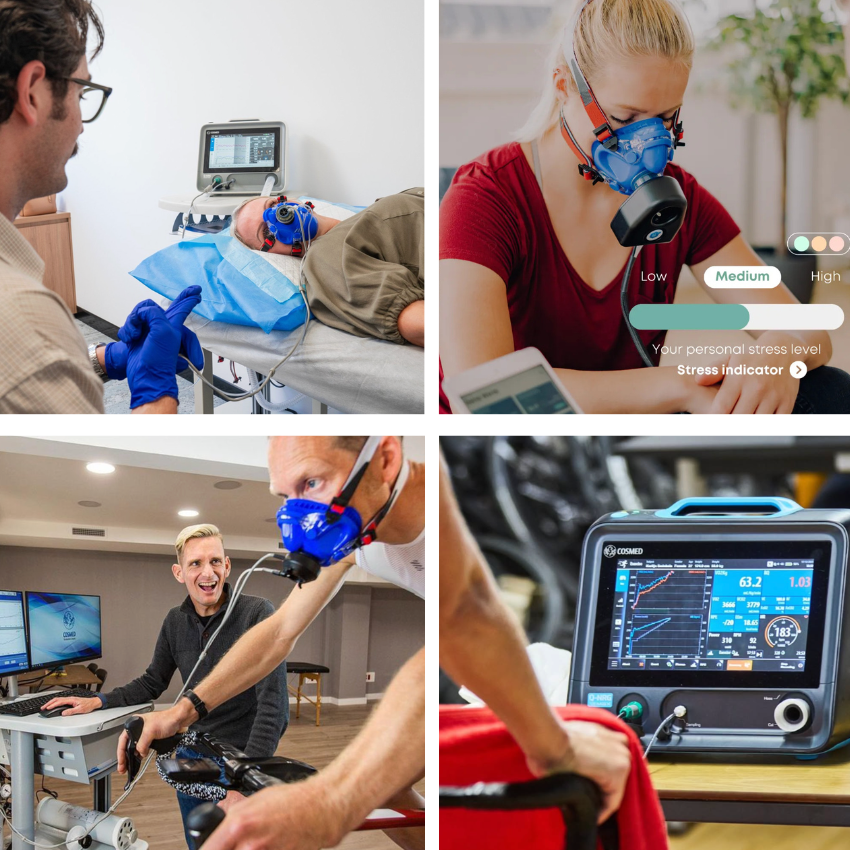
Indirect calorimetry is a method used to determine energy expenditure by measuring respiratory gas exchange.
Rather than estimating calorie requirements using factors such as age, height, weight, and sex alone, indirect calorimetry uses measurements of oxygen consumption and carbon dioxide production to assess an individual's actual metabolic response.
Indirect calorimetry is used in several of the metabolic systems available through Susquehanna Micro, including the COSMED Q-NRG, Quark RMR, Quark CPET, and FitMate family of metabolic analyzers.
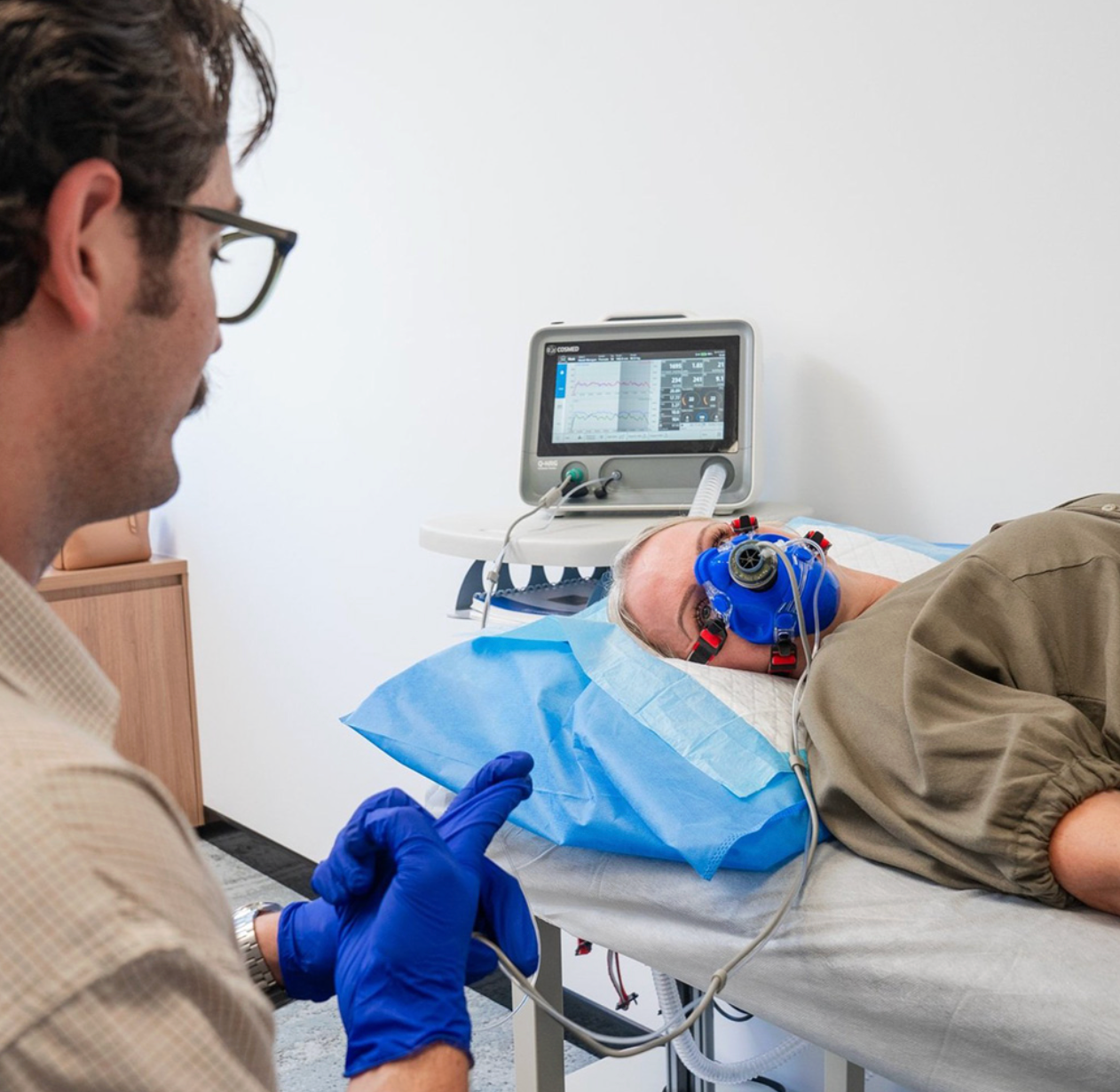
For facilities focused specifically on clinical Resting Energy Expenditure measurements, the COSMED Q-NRG is designed for indirect calorimetry in spontaneously breathing subjects and provides measurements including REE, VO₂, VCO₂, ventilation, and respiratory quotient.
RMR vs. REE vs. BMR: What's the Difference?
These terms are closely related, which is why they're often confused.
Resting Metabolic Rate (RMR)
Resting Metabolic Rate refers to the amount of energy the body uses while at rest. It represents the energy required to support normal functions such as breathing, circulation, and basic cellular activity.
Measuring RMR can be useful in clinical nutrition, weight management, wellness, and other applications where understanding an individual's energy needs can help inform nutrition or treatment planning.
Resting Energy Expenditure (REE)
Resting Energy Expenditure is another measurement of the energy an individual expends while at rest. REE is commonly measured through indirect calorimetry and is particularly important in clinical environments where accurately understanding energy requirements may help inform nutritional assessment.
Basal Metabolic Rate (BMR)
Basal Metabolic Rate describes the body's minimum energy requirements under highly controlled resting conditions.
Although BMR, RMR, and REE are related concepts, facilities should consider exactly which measurements are required for their clinical, research, nutrition, or performance applications when choosing equipment.
Systems such as the COSMED FitMate provide RMR, REE, BMR, and oxygen consumption measurements in a compact desktop format.
What Is VO₂?
VO₂ refers to the amount of oxygen consumed by the body. Measuring oxygen consumption provides valuable information about how the body responds both at rest and during physical activity. Depending on the equipment being used, VO₂ measurements can be incorporated into metabolic assessment, exercise testing, and cardiopulmonary evaluation.
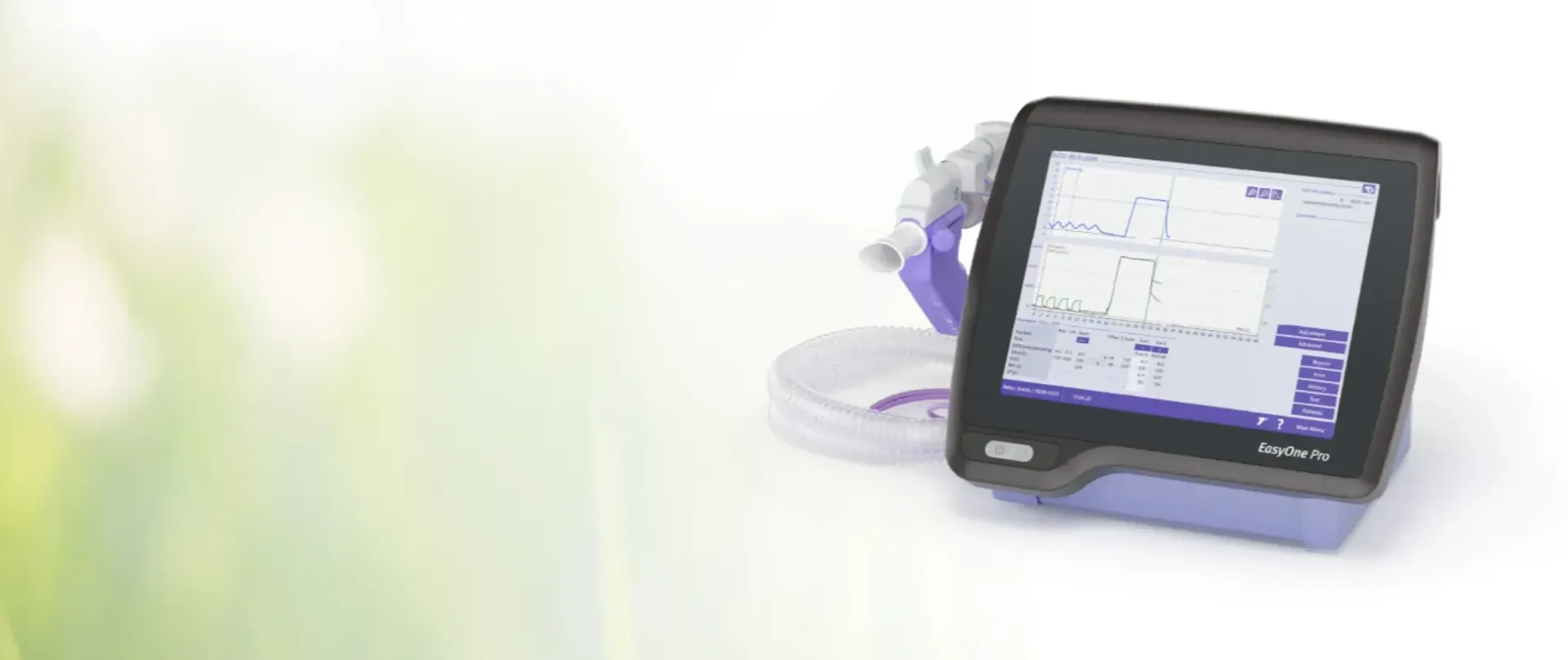
For example, the COSMED FitMate Pro measures oxygen consumption in real time and is designed for applications including sports science, university education, performance and training centers, clinical exercise testing, professional teams, corporate wellness, and personal training.
More About the COSMED FitMate Pro →
What Is VO₂ Max?
VO₂ Max, or maximal oxygen uptake, measures oxygen consumption during maximal exercise and is commonly used to assess aerobic exercise capacity.
This type of testing goes beyond resting metabolic assessment. It can be particularly useful in sports science, exercise physiology, human performance, and clinical environments where professionals need to evaluate how the cardiopulmonary system responds to exercise.
The COSMED FitMate MED, for example, combines VO₂ Max testing with metabolic and pulmonary measurements, including REE, RMR, BMR, real METS, and spirometry.
What Is CPET?
Cardiopulmonary Exercise Testing (CPET) evaluates the body's cardiopulmonary response during exercise.
Rather than looking at one measurement in isolation, CPET allows professionals to assess multiple physiological responses as exercise intensity changes.
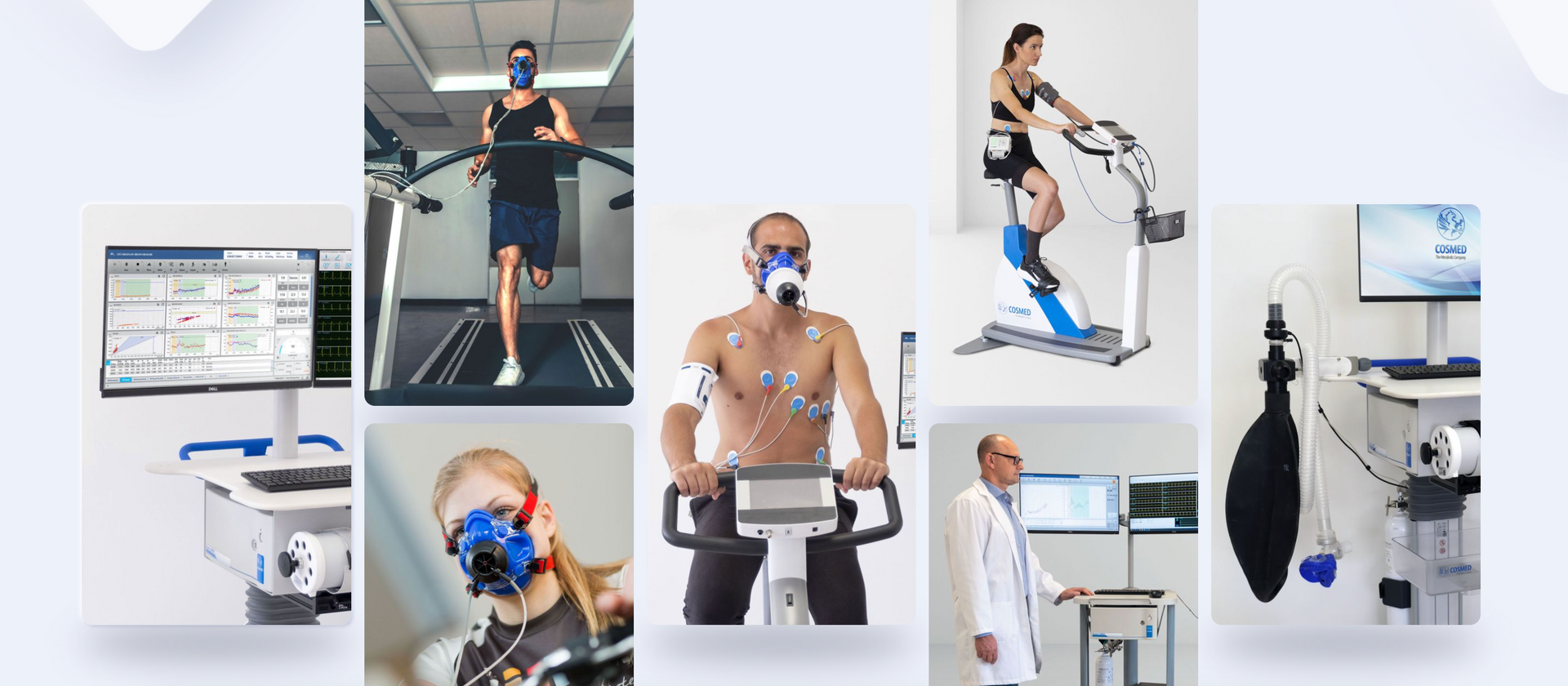
The COSMED Quark CPET is designed for comprehensive cardiopulmonary exercise testing and nutritional assessment. The system can measure RMR, REE, BMR, VO₂ Max and submaximal VO₂, anaerobic threshold, and substrate metabolism, with options for spirometry and 12-lead stress-testing ECG.
These capabilities make it particularly well suited for applications such as:
- Sports science
- Human performance laboratories
- Exercise physiology
- Nutritional assessment
- Clinical exercise testing
Resting Metabolic Testing vs. Exercise Metabolic Testing
One of the most important distinctions when choosing metabolic testing equipment is whether your facility primarily needs to evaluate individuals at rest, during exercise, or both.
- A clinical nutrition department may primarily need accurate REE measurements to better understand a patient's energy requirements. In that environment, a dedicated indirect calorimeter may be appropriate.
- A sports science or performance facility, on the other hand, may be more interested in oxygen consumption, VO₂ Max, exercise capacity, and performance data.
- Other healthcare or research environments may need a system capable of performing both resting metabolic assessment and more comprehensive exercise testing.
Understanding the tests your facility performs—and the data your clinicians or researchers actually need—is therefore more useful than simply looking for the metabolic analyzer with the longest feature list.
Choosing Metabolic Testing Equipment
There isn't one metabolic testing system that's right for every facility.
Before selecting equipment, consider questions such as:
- Do you primarily need resting or exercise testing?
- Do you need REE, RMR, BMR, or a combination of measurements?
- Is VO₂ or VO₂ Max testing required?
- Do you need full cardiopulmonary exercise testing?
- Is spirometry part of your testing protocol?
- Will equipment remain in one testing area or move between rooms?
- How important are portability and ease of setup?
- Will the equipment be used in a clinical, research, nutrition, wellness, or performance environment?
Once those needs are clear, it's much easier to narrow the available options.
Metabolic Testing Systems from COSMED and uVida
Susquehanna Micro offers metabolic testing technology for a range of clinical, nutrition, wellness, research, and performance applications. Available systems include:
uVida Portable Metabolic Analyzer
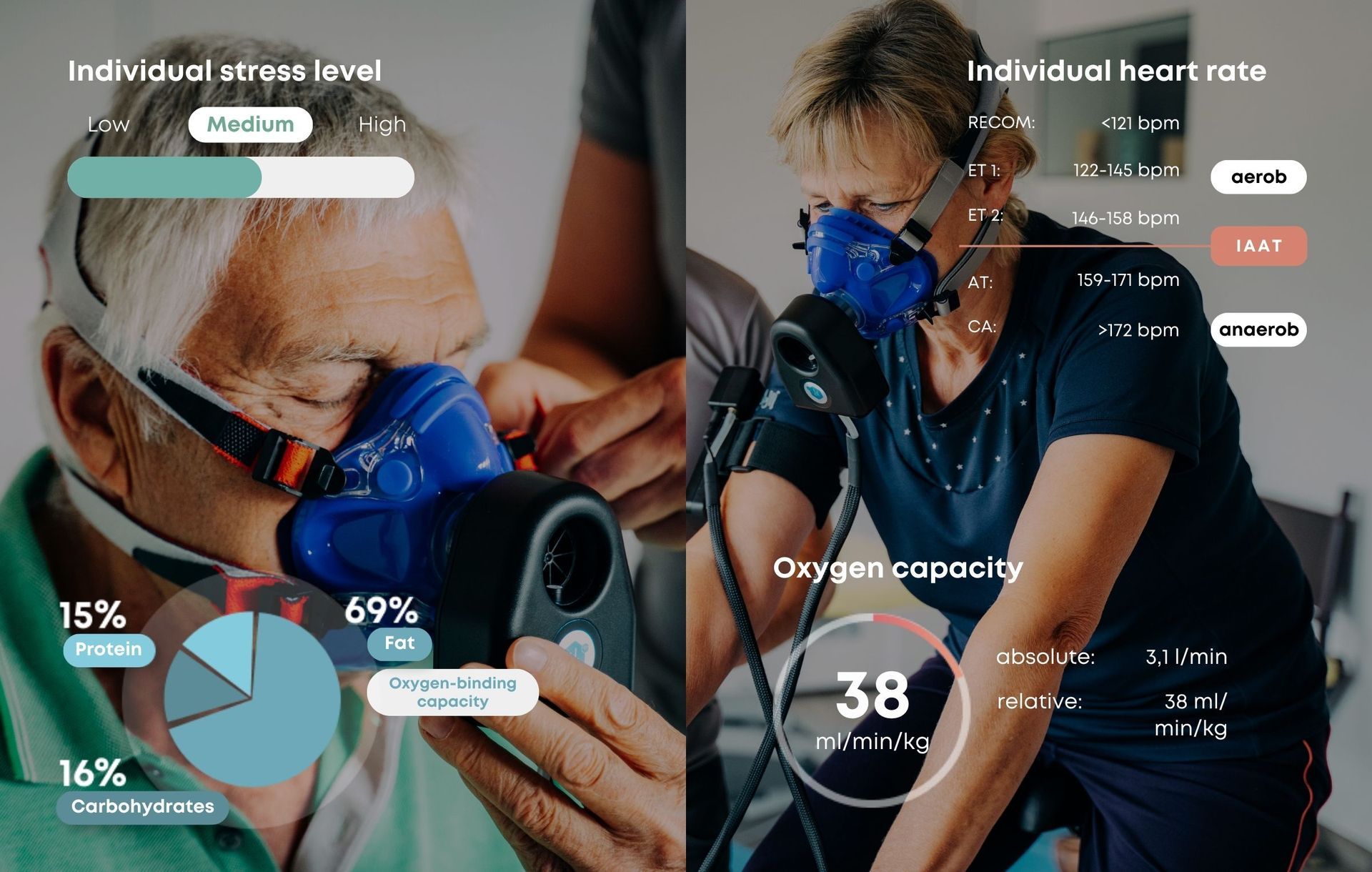
A compact system that combines respiratory metabolism analysis with software designed to support personalized nutrition and training recommendations.
COSMED Q-NRG
A portable indirect calorimeter specifically designed for Resting Energy Expenditure measurement in spontaneously breathing subjects.
COSMED Quark RMR
An indirect calorimetry system designed for nutritional assessment, including applications involving both spontaneously breathing subjects and mechanically ventilated patients.
COSMED FitMate
A compact desktop system for RMR, REE, BMR, and oxygen-consumption measurement.
COSMED FitMate Pro
Designed for oxygen-consumption and exercise testing applications in sports science, performance, wellness, and clinical exercise environments.
COSMED FitMate MED
Combines metabolic assessment, VO₂ Max testing, METS, and spirometry for more comprehensive cardiopulmonary assessment.
COSMED Quark CPET
A comprehensive system for cardiopulmonary exercise testing and advanced metabolic assessment.
Metabolic Testing Equipment Sales & Support
Choosing the right metabolic testing system is about more than comparing specifications. Facilities also need to consider how the equipment fits into their testing protocols, clinical environment, workflow, and long-term service needs.
Susquehanna Micro provides metabolic testing equipment to healthcare providers, hospitals, research institutions, performance facilities, and other organizations throughout the United States. Our team can help you compare available systems and identify equipment suited to your specific testing requirements.
Frequently Asked Questions About Metabolic Testing
What does metabolic testing measure?
Depending on the equipment and test being performed, metabolic testing may measure variables including oxygen consumption, carbon dioxide production, Resting Energy Expenditure, Resting Metabolic Rate, Basal Metabolic Rate, VO₂ Max, respiratory quotient, ventilation, and other metabolic or cardiopulmonary measurements.
Is metabolic testing the same as VO₂ Max testing?
No. Metabolic testing is a broad category that includes both resting and exercise-based assessments. VO₂ Max testing specifically evaluates maximal oxygen consumption during exercise.
What is indirect calorimetry used for?
Indirect calorimetry uses respiratory gas exchange to assess energy expenditure. It can be used for applications such as clinical nutrition, resting energy expenditure assessment, metabolic research, weight management, and other clinical or wellness applications.
What equipment measures Resting Energy Expenditure?
Several types of metabolic analyzers can measure REE. Susquehanna Micro offers systems including the COSMED Q-NRG, Quark RMR, and FitMate family, with different capabilities depending on the testing environment and additional measurements required.
What is the difference between a metabolic analyzer and a CPET system?
A metabolic analyzer may be designed primarily for measurements sauch as resting energy expenditure or oxygen consumption. A comprehensive CPET system evaluates cardiopulmonary and metabolic responses during exercise and can provide a broader set of exercise-related measurements.
Where can I purchase metabolic testing equipment?
Susquehanna Micro supplies COSMED and uVida metabolic testing equipment for healthcare, research, nutrition, wellness, and performance applications throughout the United States. Contact our team for product information, availability, and assistance choosing a system for your facility.
Share this post
Previous Articles