Nebulizer vs. Compressor: What’s the Difference? A Guide to Aerosol Therapy Equipment
When researching equipment for aerosol therapy, you'll often see the terms nebulizer, compressor, compressor/nebulizer system, and ultrasonic nebulizer used alongside one another. While these devices may work together or serve similar respiratory care applications, they aren't necessarily the same thing.
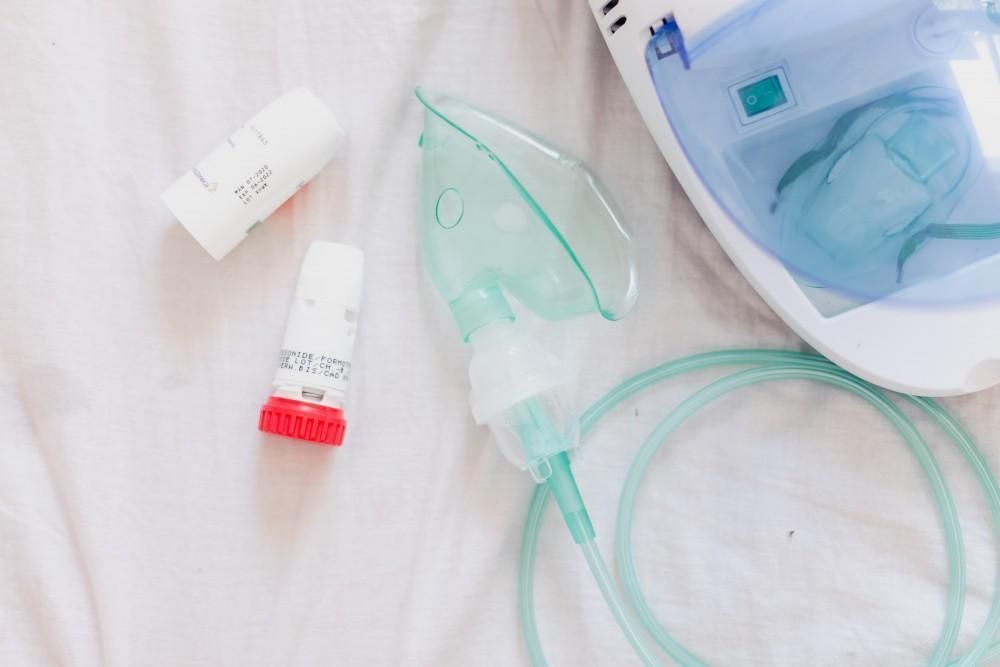
Understanding the differences can help healthcare facilities, respiratory care providers, home health organizations, and equipment professionals determine what type of system best fits their needs.
Susquehanna Micro supplies a range of nebulizers and air compressors for respiratory and aerosol therapy, including equipment from DeVilbiss, NOUVAG, and Precision Medical.
What Is a Nebulizer?
A nebulizer is a device used to create an aerosol from a liquid solution so that it can be inhaled through the respiratory system. Depending on the system, the aerosol may be generated using compressed air or another technology, such as ultrasonic energy. This is why the word "nebulizer" can describe several different types of equipment.
Nebulizer systems are used across a variety of care environments, including hospitals, clinics, home health care, and other respiratory therapy settings.
What Is a Nebulizer Compressor?
A compressor provides the pressurized airflow required by a pneumatic nebulizer to generate aerosol. In a compressor/nebulizer system, the compressor supplies air to the nebulizer, which then converts the liquid solution into an aerosol for inhalation.
This distinction is important when purchasing respiratory equipment because some products are complete compressor/nebulizer systems, while others are primarily air-source compressors designed to provide the pressure and airflow needed for aerosol therapy or other respiratory applications.
Explore Nebulizers & Compressors →
Pneumatic vs. Ultrasonic Nebulizers
One of the biggest differences among nebulizer systems is how the aerosol is generated.
Pneumatic Compressor/Nebulizer Systems
Pneumatic systems use compressed air to operate the nebulizer. Susquehanna Micro carries several DeVilbiss pneumatic compressor/nebulizer systems, including the PulmoMate, Pulmo-Aide Compact, and Pulmo-Aide 5650D. These systems provide different combinations of portability, durability, airflow, operating pressure, and size. For example, the PulmoMate weighs 5.3 pounds and is designed with portability and storage in mind, while the Pulmo-Aide 5650D is a larger system designed for long-term and high-demand use.
Ultrasonic Nebulizers
Ultrasonic nebulizers generate aerosol using high-frequency ultrasonic technology rather than relying on the same pneumatic process. The NOUVAG UltraNeb available through Susquehanna Micro is designed for inhalation therapy and humidification of respiratory air. Its carrier airflow, atomizer intensity, particle size, and treatment interval can be individually adjusted. The system is intended for professional applications in hospitals, clinics, and home health care.
View the NOUVAG UltraNeb and Other Nebulizer Equipment →
What Is an Air Compressor Used for in Respiratory Care?
Not every respiratory air compressor is packaged as a small compressor/nebulizer system. Higher-output air compressors may be used when an application requires greater pressure or airflow. For example, Susquehanna Micro offers the Precision Medical Easy Air 15, which provides 15 LPM at 50 psi, and the Precision Medical Easy Comp, which provides 14 LPM at 50 psi. The Easy Comp is designed for applications where effective and convenient aerosol treatments or oxygen therapy are needed.
This is why it's important to look beyond the general product category and consider the actual pressure, airflow, portability, and application requirements of the equipment.
What Should You Consider When Choosing Nebulizer or Compressor Equipment?
There isn't one nebulizer or compressor that's appropriate for every respiratory care environment. Before selecting equipment, consider several factors.
1. Intended Application
Start with how and where the equipment will be used.
- Is the system intended for routine aerosol therapy?
- Does the application require higher output?
- Will it be used in a hospital or clinic, or does portability matter for home health or transport?
Defining the intended use helps narrow the equipment options considerably.
2. Airflow and Pressure
Air compressors differ in the amount of airflow and pressure they can provide. These aren't specifications that should be compared in isolation. The requirements of the nebulizer and intended application should determine the appropriate compressor performance.
3. Portability
For equipment that needs to move between locations, size and weight can be significant considerations. The DeVilbiss PulmoMate, for example, is designed to fit into luggage, backpacks, or diaper bags and weighs 5.3 pounds. The Pulmo-Aide Compact weighs 4.8 pounds and provides another compact option for respiratory treatment.
In other environments, portability may be less important than durability or higher output.
4. Frequency of Use
Consider whether the equipment will be used occasionally or in a more demanding environment.
A system intended for long-term or high-demand use may have different requirements than equipment selected primarily for portability.
The DeVilbiss Pulmo-Aide 5650D, for instance, is specifically positioned for long-term and high-demand users.
5. Maintenance Requirements
Respiratory equipment needs to be maintained according to manufacturer recommendations and facility protocols. When comparing compressors, look at features that may make ongoing maintenance easier. The Precision Medical Easy Air 15, for example, places its compressor filters on the outside of the cabinet for easier access and includes an hour meter to help determine when preventative maintenance is due.
6. Treatment Environment
Hospitals, clinics, home health organizations, and other respiratory care environments can have very different equipment needs. Available space, infection-control procedures, portability, expected utilization, output requirements, and existing respiratory equipment should all be considered when evaluating a system.
Comparing Nebulizers and Compressors Available from Susquehanna Micro
Susquehanna Micro offers several options for aerosol and respiratory therapy applications.
- DeVilbiss PulmoMate Compressor/Nebulizer
A portable pneumatic compressor/nebulizer system designed for convenient transport, performance, and affordability. - DeVilbiss Pulmo-Aide Compact
A compact piston compressor/nebulizer weighing 4.8 pounds and designed to provide respiratory treatment in a smaller, portable package. - DeVilbiss Pulmo-Aide 5650D
A durable diaphragm compressor/nebulizer designed for long-term and high-demand use. - NOUVAG UltraNeb
An ultrasonic nebulizer offering adjustable nebulizing rate, airflow, particle size, and treatment duration for professional respiratory applications. - Precision Medical Easy Air 15
A compact higher-output air compressor capable of delivering 15 LPM at 50 psi, with features designed to simplify operation and preventative maintenance. - Precision Medical Easy Comp
A heavy-duty air-source compressor delivering 14 LPM at 50 psi for aerosol treatment and oxygen therapy applications.
Compare Nebulizers & Compressors →
Nebulizer and Respiratory Equipment Sales & Service
Choosing respiratory equipment isn't simply a matter of finding the smallest unit or the system with the highest output. The right equipment needs to match the application, care environment, required airflow and pressure, expected frequency of use, and facility workflow.
Susquehanna Micro supplies respiratory equipment to healthcare organizations and respiratory care providers throughout the United States. We can help customers review available nebulizer and compressor options and identify equipment suited to their specific application.
Susquehanna Micro also provides service and repair for the DeVilbiss Aerosol and Oxygen Therapy product line, helping facilities support their equipment beyond the initial purchase.
Explore Nebulizers & Compressors →
Contact Susquehanna Micro to Request a Quote →
Frequently Asked Questions About Nebulizers & Compressors
Is a nebulizer the same thing as a compressor?
No. A nebulizer creates the aerosol that is inhaled, while a compressor supplies the pressurized airflow required to operate many pneumatic nebulizers. Some products are sold as combined compressor/nebulizer systems.
Do all nebulizers require an air compressor?
No. Pneumatic nebulizers use compressed air, while other technologies can generate aerosol differently. Ultrasonic nebulizers, for example, use ultrasonic technology to produce aerosol.
What's the difference between a portable nebulizer compressor and a higher-output air compressor?
Portable compressor/nebulizer systems generally prioritize compact size and convenient respiratory treatment. Higher-output compressors may provide significantly greater airflow and pressure for applications that require it. Equipment should be selected according to the requirements of the intended respiratory application.
What should a facility consider when purchasing a nebulizer?
Consider the intended application, airflow and pressure requirements, portability, expected frequency of use, available space, maintenance needs, and the clinical or respiratory environment in which the equipment will be used.
Does Susquehanna Micro sell DeVilbiss nebulizer compressors?
Yes. Susquehanna Micro distributes DeVilbiss aerosol therapy products, including the PulmoMate, Pulmo-Aide Compact, and Pulmo-Aide 5650D compressor/nebulizer systems.
Does Susquehanna Micro service nebulizer and respiratory equipment?
Susquehanna Micro provides service and repair for the DeVilbiss Aerosol and Oxygen Therapy product line in addition to respiratory equipment sales. Contact the Susquehanna Micro team to discuss your specific equipment and service needs.
Share this post
Previous Articles